

WALL · 01
Wind
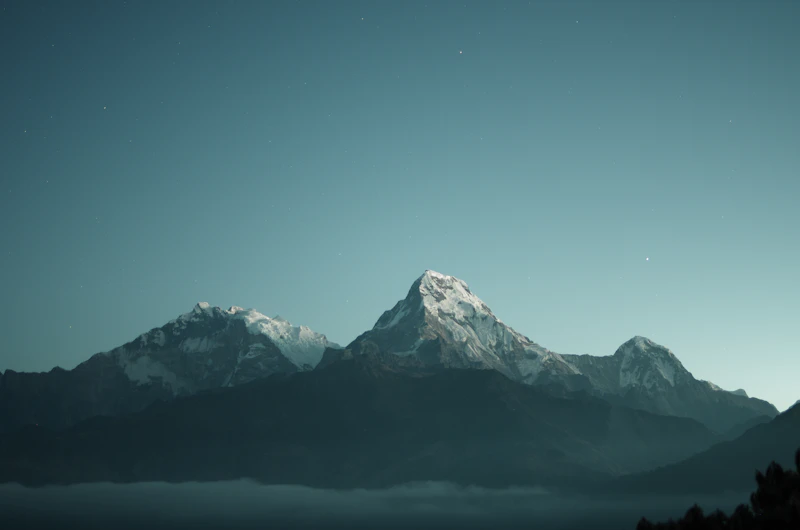
Air as sculptor. Ridges sharpened over millennia by breath alone — architecture without intention.
Gallery I · The Plateau
Every Landscape Carries the Memory of Time.
An institute devoted to Earth as gallery — where plateaus, deserts, canyons, and summits are curated as living works of stone, light, and silence.
Enter the GalleryGallery II
Six monumental sandstone walls stand as an exhibition of elemental force. Each surface holds essays, archival frames, and geological sketches — not services, but silences made visible.
WALL · 01
Air as sculptor. Ridges sharpened over millennia by breath alone — architecture without intention.

WALL · 02
Infinite grain. A surface that records every step and erases it by dawn — temporary monuments.

WALL · 03
Where sound thins. Horizon as sanctuary — the rarest material in any landscape gallery.

WALL · 04
Light made dense. Stone expands, shadow contracts — climate as an invisible load-bearing force.

WALL · 05
The longest line. A promise of elsewhere drawn between earth and sky with perfect stillness.

WALL · 06
Patience as structure. Every grain a calendar; every shadow a slow rotation of the planet.
Gallery III
A vertical monograph of strata. Each layer reveals formation, mineral, age, and the quiet ways people learn to dwell beside deep time.
Layer 01 · Rock Formation
Beds of sandstone settle like stacked pages. Horizontality becomes the canyon’s first grammar — deposition before incision, patience before gesture.

Plate DV-CN-01 · Cross-section study
Layer 02 · Mineral Composition
Oxide stains the face of the stone. Quartz glints at dusk. Color is not decoration — it is chemistry made public under desert light.
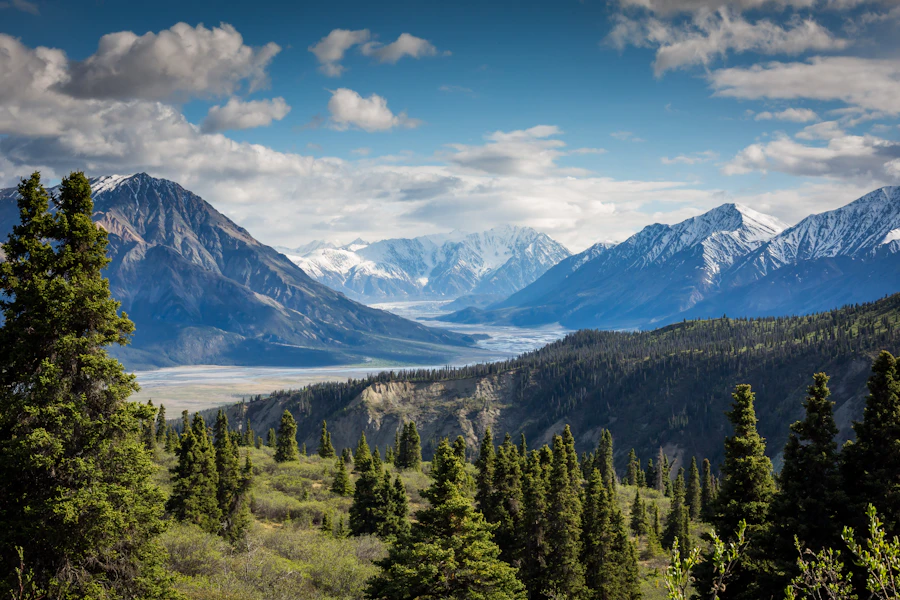
Plate DV-CN-02 · Mineral specimen
Layer 03 · Geological Age
Jurassic light still presses against these walls. Age here is not a number — it is the weight of intervals too long for speech, kept in stone.
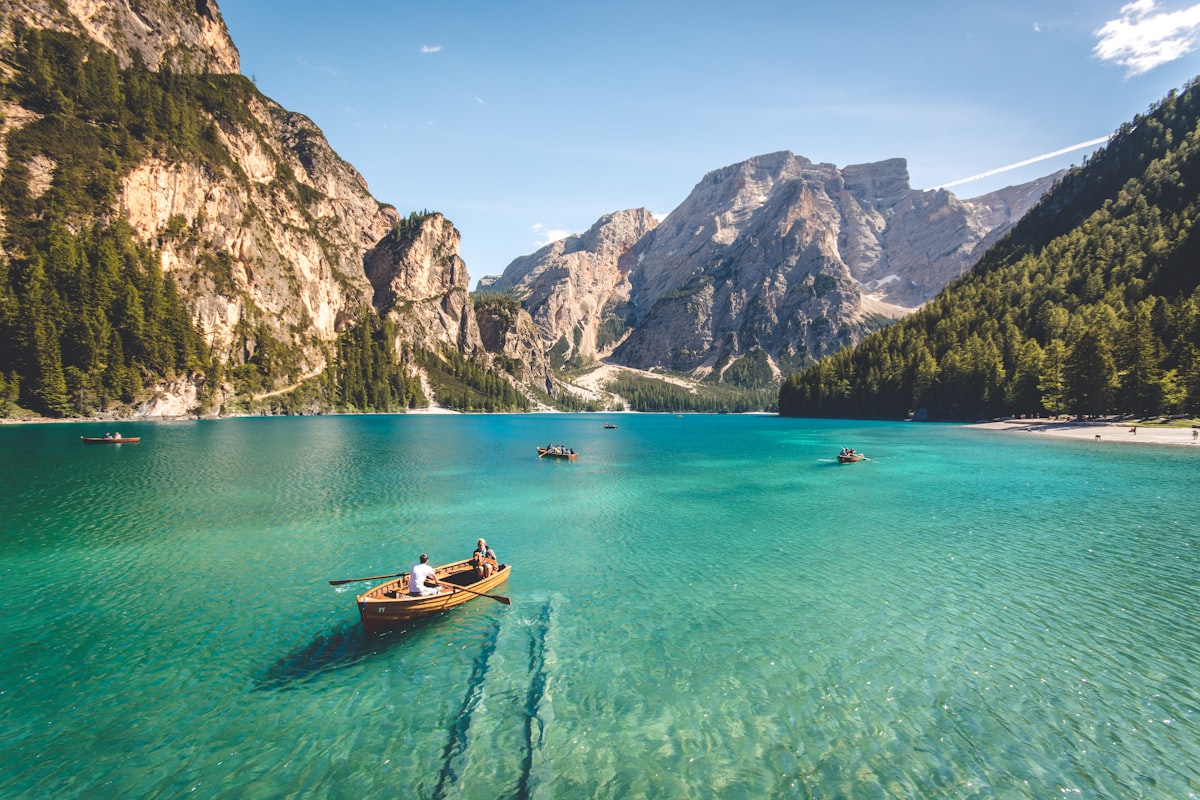
Plate DV-CN-03 · Chronology shelf
Layer 04 · Human Connection
Paths follow contour, not conquest. Observation posts, sketchbooks, quiet footsteps — the human presence is a thin, careful line along the edge.

Plate DV-CN-04 · Field observation
Layer 05 · Landscape Story
Water wrote the canyon downward while wind revised the margins. The story is erosional — subtraction as authorship.

Plate DV-CN-05 · Narrative diagram
Layer 06 · Photography
Midday flattens; dusk chisels. The canyon is a camera for the sun — each hour a new exposure of the same irreplaceable wall.
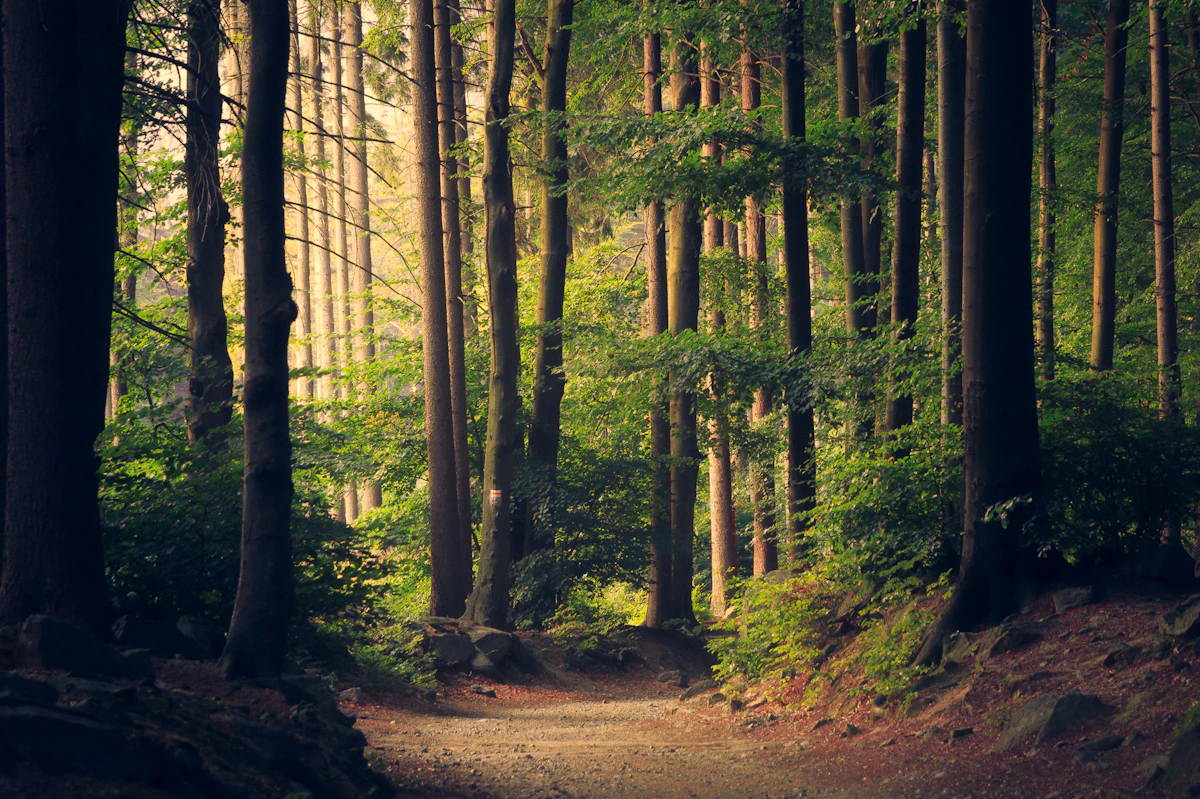
Plate DV-CN-06 · Exposure study
Gallery IV
Six architectural courtyards. Each frames a single natural element — moss, timber, stone, water, light, mist — with its own typographic rhythm and void.
Courtyard 01

“Softness is also a form of endurance — the quiet green that covers what age leaves behind.”

Courtyard 02
Columns grown rather than built. Grain as elevation drawing — each ring a contour of climate, drought, and rain.
DV-FR-02 · Vertical study
Courtyard 03
Triptych · Dense editorial
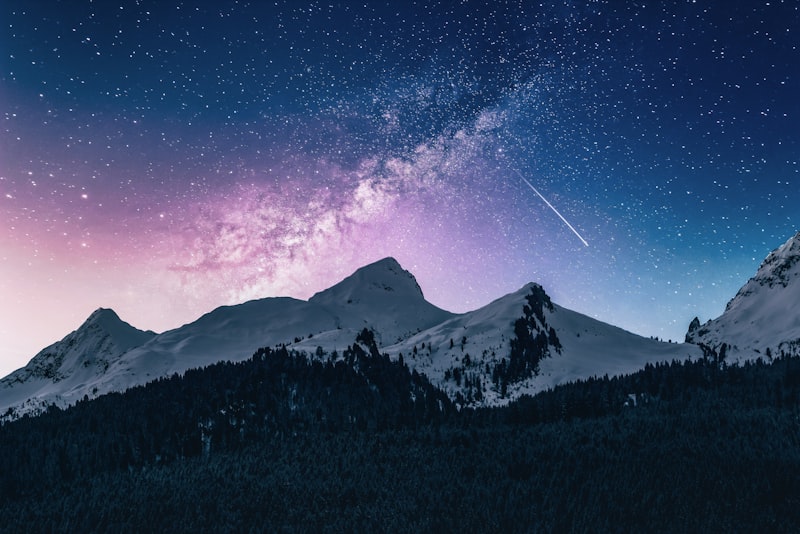
SPECIMEN NOTES
Surface · Fractured granite
Orientation · North face
Moisture · Residual
Sketch ref · ATLAS/14
Courtyard 04

Mirror without vanity. The courtyard for reflection — not of ourselves, but of everything the forest holds above.
Courtyard 05 — voids between trunks. Illumination as architecture.
Gallery V
Collection · Earth Specimens
Room · Cold Gallery
Catalog · DV-GA / 00–06
Lithic tray

Basalt · Schist · Quartzite
Origin: Laurentide margin
Condition: Stable / Dry
Drilling archive
Depth marked in 10 cm increments
Ice-sediment transition at 4.2 m
Stored at −18 °C
Optical tray

Feldspar · Mica flakes · Garnet
Polarized light study pending
Drawer B / Shelf 3
Field portfolio
Graphite on cotton rag
Site: Eastern ice tongue
Artist-researcher · DV Field Unit
Contour plates
Interval · 50 metres
Datum · Mean sea level
Sheet · ATLAS / N-14
Archival folio
Ink · Oxidized bronze wash
Language · Observation first
Restriction · Gallery reading only
Gallery VI
A monumental wall of topographic memory — catalogued, labeled, never counted.
Catalog · A1
Comparative readings of form — mesa against dune, cirque against terrace — arranged as a continuous visual argument about terrain.
REF · DV/ATLAS/LS-01 · Sheets 1–48
Catalog · A2
Hand-annotated survey plates. Bedding attitudes, fault traces, and mineral belts recorded in the spare language of the field.
REF · DV/ATLAS/GS-02 · Folio East
Catalog · A3
Curated sequences of topography: ridgelines, alluvial fans, hanging valleys — mounted as if the planet were a private collection.
REF · DV/ATLAS/TC-03 · Wall Panel B
Catalog · A4
Itineraries as museum labels. Coordinates, elevations, and quiet notes from journeys devoted to looking, not claiming.
REF · DV/ATLAS/GE-04 · Archive Route
The Earth Archive
Monumental stone drawers. Each publication a collector’s edition — geology as monograph, terrain as literature.

